
14
Industry Experts Interviewed
13
Stakeholder Segments Evaluated
29
Consumer Surveys Conducted
Industry
Aquaculture · Animal Welfare
Strategy · Market Research · Adoption Planning
Business Function
Capability
Stakeholder Mapping · Policy Research · Market Assessment · Implementation Strategy
Methodology
Stakeholder Interviews · Field Visits · Consumer Research · Desk Research · Market Segmentation
Overview
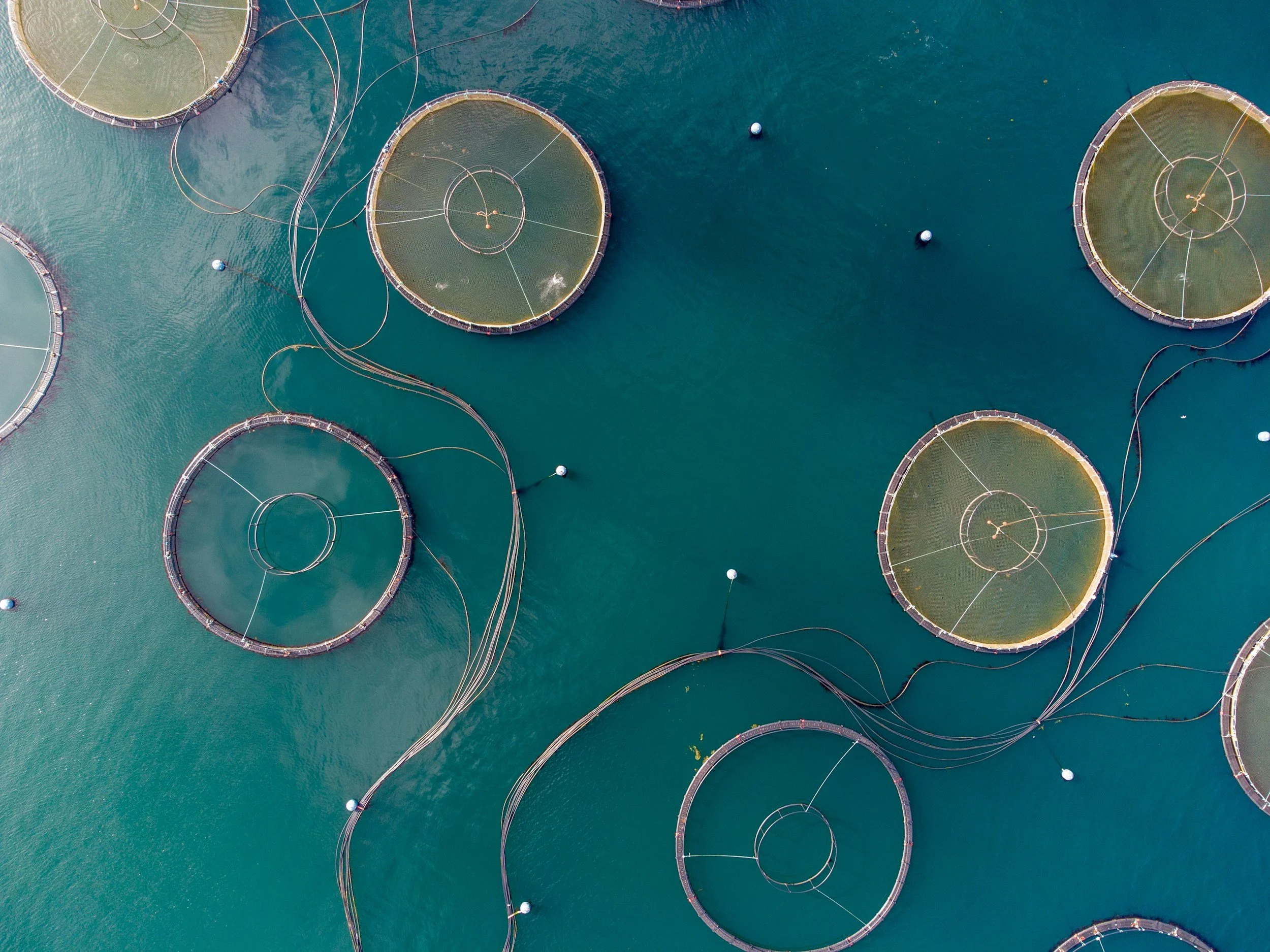
India is the world's second-largest aquaculture producer, yet the adoption of humane pre-slaughter stunning remains almost non-existent. While the practice is internationally recognised for improving fish welfare, introducing it into India's fragmented aquaculture ecosystem requires overcoming economic, technical, regulatory, and behavioural barriers.
Fish Welfare Initiative engaged Hornbill AG to determine whether pre-slaughter stunning could realistically be introduced and scaled in India. Rather than evaluating the technology alone, the engagement focused on identifying the stakeholders most likely to adopt it, understanding the incentives and barriers across the value chain, and designing a practical roadmap for nationwide implementation
Challenge
Complex Market Dynamics
India's aquaculture ecosystem spans numerous independent stakeholders with differing commercial incentives, making coordinated adoption difficult.
Limited Consumer Demand
Consumer awareness of fish welfare is meager, and willingness to pay premiums for ethically produced seafood remains limited.
Technology Constraints
Existing stunning technologies are expensive, difficult to deploy, and largely unvalidated for Indian fish species and operating conditions.
Limited Policy Support
No established regulatory framework or industry momentum existed to encourage large-scale adoption.
Our Solution
Understanding the ecosystem
Hornbill AG combined qualitative research, field validation, consumer insights, and desk research to build a comprehensive understanding of India's aquaculture value chain. The study included interviews with industry experts, field visits across Andhra Pradesh, consumer surveys targeting premium seafood buyers, and an extensive review of scientific literature, international regulations, and market reports.
Prioritizing adoption pathways
Rather than treating the aquaculture sector as a single market, Hornbill AG segmented the ecosystem into thirteen stakeholder groups spanning both demand and supply sides. Each segment was assessed for market size, adoption feasibility, commercial incentives, and implementation challenges, enabling the identification of the most promising early adopters for pilot programs
Designing a scalable implementation roadmap
Based on the findings, Hornbill AG developed a phased adoption strategy combining pilot programs, technology validation, consumer education, commercial partnerships, and longer-term policy engagement. Rather than recommending immediate nationwide deployment, the roadmap focused on reducing technical uncertainty while building evidence for wider industry adoption.
Impact Delivered

Identified Priority Adoption Segments
Evaluated 13 stakeholder groups to identify the organizations most likely to adopt humane slaughter practices during early pilot programs.

Developed an Evidence-Based Scaling Strategy
Produced a phased roadmap outlining pilot programs, technology validation, commercial partnerships, and long-term policy engagement for nationwide adoption.

Reduced Market Uncertainty
Combined stakeholder interviews, field observations, consumer research, and scientific literature into a single decision-making framework for the client.

Enabled Actionable Next Steps
Delivered clear recommendations for pilot design, technology priorities, and investment opportunities instead of theoretical research alone.